Île de France
Breed Overview

Detailed production data, physical characteristics, weight milestones, and reproductive performance of South Africa's premium meat breed.

3–5 kg
Birth Weight
34–41 kg
100-Day Weight
66.4%
Dressing %
150–170%
Lambing Rate
30+
Countries
Physical Description

A Large, Polled
Meat Breed

The Île de France is a large, smooth-bodied, polled mutton sheep — meaning it naturally carries no horns. The breed is known for its well-defined muscling, correct conformation, and a compact, deep body frame that signals outstanding meat-producing potential at a glance.

The fleece is strong, white, and entirely free of coloured fibres or kemp, making it commercially valuable both as a meat and wool breed. The breed carries a well-woolled body with a clean face and legs that are free of wool below the knee and hock.

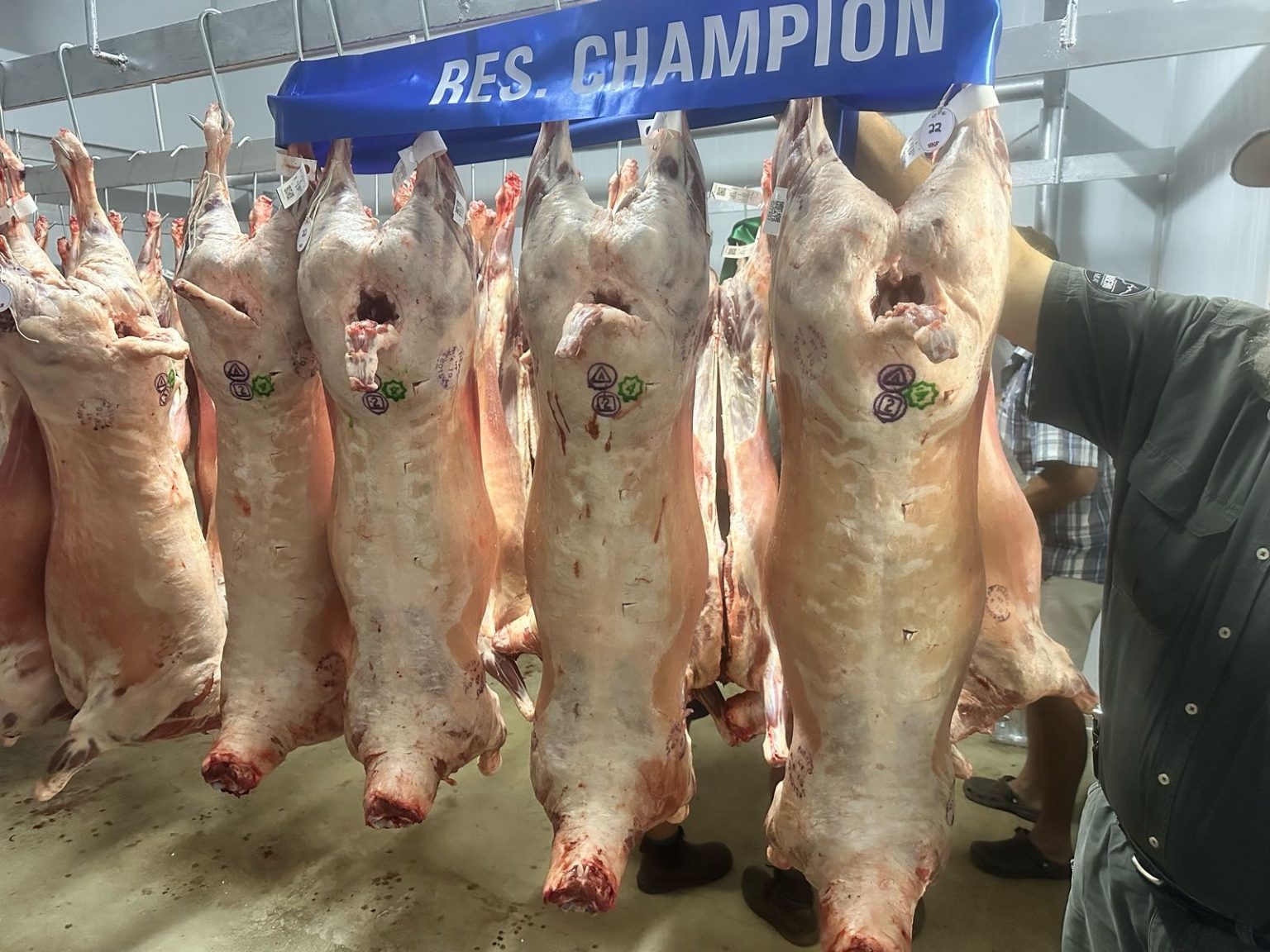
Selected for over 200 years, every physical feature of the Île de France exists for a purpose: wide loins, well-rounded hindquarters, a broad back and deep ribs all translate directly into the premium carcass quality that defines Donkerberg Boerdery lamb.
Polled (Naturally Hornless)
White Fleece — No Kemp
Large, Deep Body Frame
Exceptional Muscling
Clean Face & Legs
Dual-Purpose: Meat & Wool
Île de France sheep Farm sheep Sheep on farm
Growth Performance

From Birth to
Market in 100 Days

The Île de France is renowned for its exceptional growth rate. Lambs consistently hit target weights at each key milestone, delivering superior returns for commercial producers.

🐑
3–5 kg
Birth
Healthy, robust newborn lambs
🌱
19–24 kg
42 Days
Strong milk-driven growth
34–41 kg
100 Days
Market-ready weight achieved
🏆
70–90 kg
Adult Ewe
Productive for 9–10 years

Growth & Weight Data

Birth weight3–5 kg
42-day weight19–24 kg
100-day weight34–41 kg
Adult ewe weight70–90 kg
Adult ram weight100–120 kg
Ewe lamb maturity weight~55 kg
Ram service age10 months

Carcass & Meat Quality

Dressing percentageUp to 66.4%
Muscle developmentExceptional
Fat coverCorrect for grade
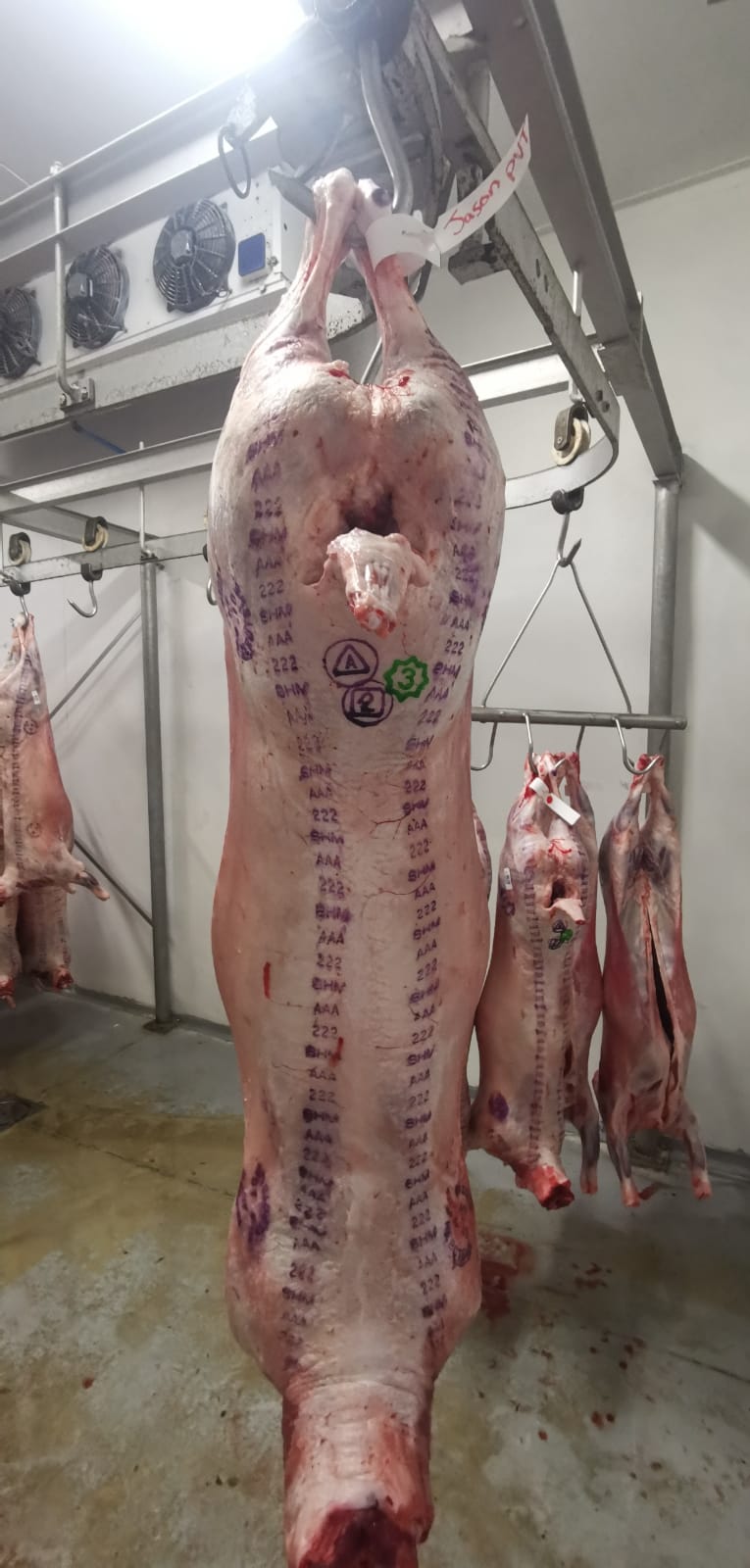
Carcass conformationGrade A
Meat colourDeep pink-red
MarblingFine, even distribution
Overall carcass qualityPremium

Wool Production

Ewe fleece weight3–4.5 kg
Ram fleece weight5–6 kg
Fibre diameter23–27 micrometers
Fleece colourPure white
Kemp presenceNone
PigmentationNone
Staple length75–100 mm

Reproductive Data

Lambing percentage150–170%
Pregnancies per yearUp to 1.3
Productive ewe lifespan9–10 years
Ewe lamb maturity~55 kg
Ram service maturity10 months
Twinning rateHigh
Milk productionGood — supports twins
Reproductive Performance

Built for Productive Flocks

One of the Île de France's greatest commercial strengths is its outstanding reproductive efficiency. With lambing percentages consistently between 150–170%, multiple births are the norm rather than the exception — directly translating into more lambs per ewe per year.

Ewes are early maturing, reaching productive weight at approximately 55 kg, and can achieve up to 1.3 pregnancies per year. They remain productive until 9–10 years of age, making them a long-term investment in flock profitability.

Strong maternal instincts and good milk production ensure that lambs receive excellent early nutrition, supporting the impressive 42-day weaning weights of 19–24 kg that the breed is known for. Rams begin active service from 10 months old.

Sheep and lambs on farm
150–170%
Lambing Rate
Multiple births common
1.3×
Pregnancies / Year
Accelerated lambing possible
9–10
Years Productive
Long ewe lifespan
55 kg
Ewe Maturity Weight
Early maturity achieved
Adaptability

Thriving in
30+ Countries

The Île de France has proven its versatility across more than 30 countries and every major farming system — from semi-intensive feedlots to extensive open-range operations. On the South African highveld, it handles the extremes of the Free State climate with exceptional resilience.

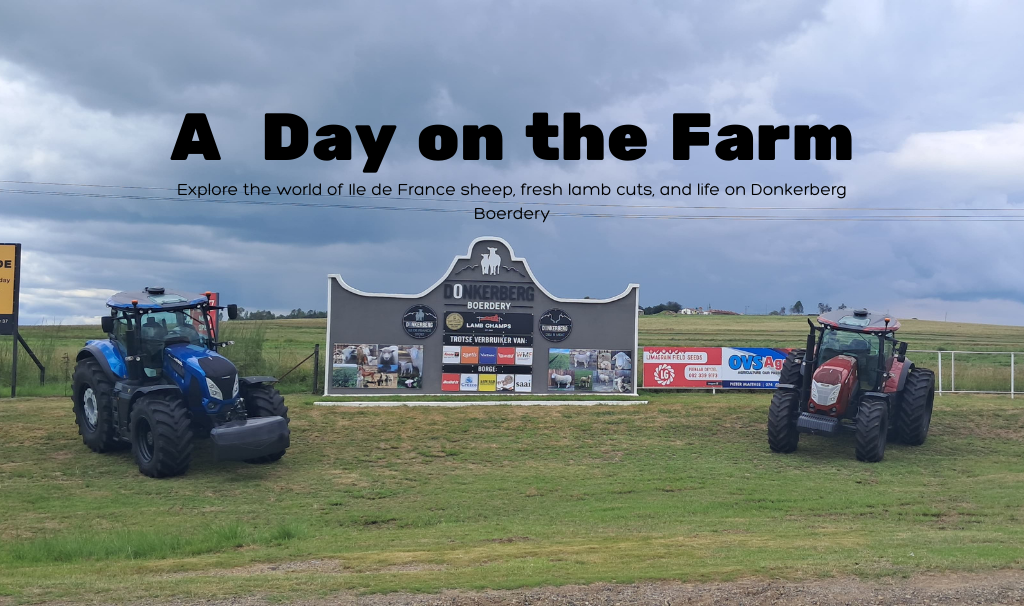
At Donkerberg Boerdery, our flock thrives on the natural grasslands of Donkerberg Farm, Reitz — demonstrating the breed's capacity to convert quality pasture into premium lamb without intensive supplementation.

  • Extensive, semi-intensive & intensive farming systems
  • Tolerates Free State highveld summers and cold winters
  • Excellent grazer — converts natural pastures efficiently
  • Performs well in terminal sire crossing programs
  • Established in all 9 South African provinces
Farm landscape Sheep on pasture Donkerberg farm Farm life

Continue Exploring