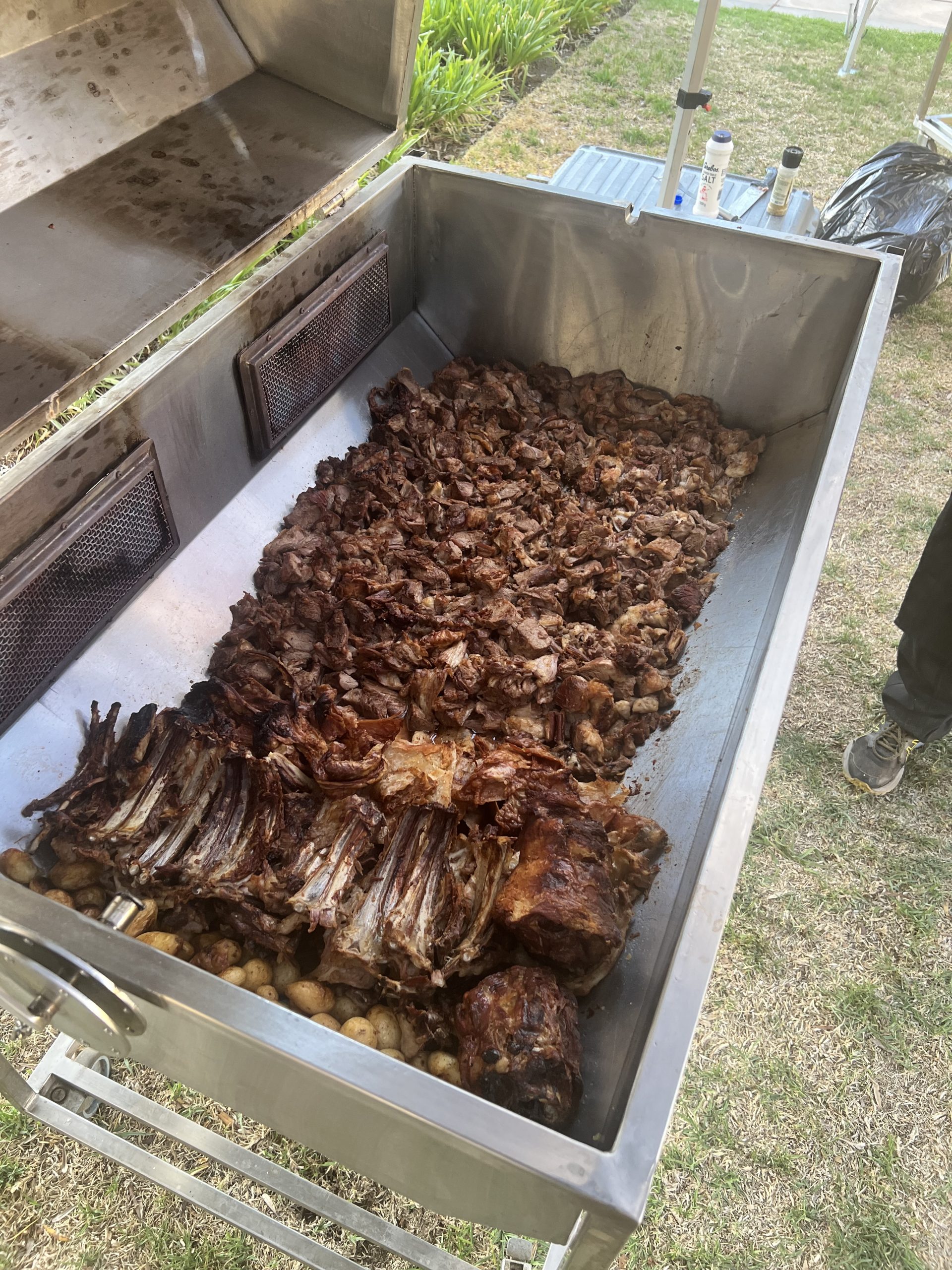
From the show-stopping rack to the rich, slow-cooked neck — every cut of Donkerberg lamb tells a story. Know your cut, know your cook.
Every cut comes from our free-range Île de France lambs — butchered with care to give you the best possible eating experience, whether on the braai or in the kitchen.
The showstopper cut. Eight rib bones, a fine fat cap, and exceptional marbling make this the centrepiece of any special occasion. French-trim the bones for an elegant presentation, or roast whole for maximum flavour. The eye of the rack is one of the most tender muscles on the animal.
The classic Sunday roast cut. Available bone-in for maximum flavour or butterflied for the braai. The leg is full of rich, intensely flavoured meat and benefits from slow roasting with garlic, rosemary, and lemon. A butterflied leg cooks beautifully over coals in under 30 minutes.
The most delicate and prized cut on the entire lamb — a small, buttery-soft muscle that runs alongside the backbone. Best cooked quickly over high heat to medium-rare. Its subtle flavour and melt-in-the-mouth texture make it the choice of discerning chefs and food lovers.
The South African braai icon. Cut from the loin, these T-bone shaped chops carry a portion of the tenderloin and the loin muscle in a single chop. Exceptional marbling keeps them juicy over the coals. Season simply with salt, pepper, and a squeeze of lemon — the lamb does the rest.
A generous bone-in cut from the front section of the lamb, including the shoulder blade. Full of connective tissue and robust flavour that intensifies over the coals. A staple at South African braais — best marinated overnight and cooked slow-and-low over indirect heat until falling-tender.
Fatty, unctuous, and packed with deep lamb flavour. The belly is often overlooked but rewards those who know it with crispy skin, melting fat, and intensely savoury meat. Grill it hot and fast over direct coals, cut into strips, and serve with a sharp chimichurri or braaibroodjie.
The slow-cook king. Rich connective tissue and well-worked muscles make the shoulder one of the most flavourful cuts on the animal. Bone-in for a dramatic presentation or rolled and tied for even cooking. After 4–5 hours at low heat, the meat pulls apart effortlessly with a fork.
Bone-in neck slices are the backbone of a great karoo-style stew or potjie. Gelatinous, rich, and deeply flavoured — they break down beautifully in long, slow braises, releasing collagen that thickens the sauce naturally. Perfect with tomatoes, onions, and a handful of dried fruit.
The braised lamb shank is a winter staple for good reason. Slow-cooked until the meat slides off the bone, the hock releases rich gelatin into the sauce, creating a silky, deeply flavoured reduction. Serve on creamy mash or pap for the ultimate South African comfort meal.
A whole lamb is divided into primal sections — each with its own character and ideal cooking method. Understanding the primal helps you choose the right cut every time.
Running along the backbone from shoulder to hip, this is the most tender region. Minimal movement means the muscles stay soft and fine-grained — perfect for quick, high-heat cooking.
The hind leg is one of the largest and most versatile primal cuts. Well-muscled but not overworked, it's suited to both quick roasting and longer cooking depending on the specific sub-cut.
Heavily worked muscles full of connective tissue that breaks down into gelatin during slow cooking. This gives shoulder cuts their characteristic richness and depth of flavour.
The belly and breast sections carry the most fat and are best suited to grilling, rolling, or slow braising. Their high fat content self-bastes the meat during cooking for exceptional flavour.
The collagen-rich cuts. Long cooking times are essential, but the reward is a sauce of extraordinary depth and body, with meat that falls from the bone in tender shreds.
Order a whole Donkerberg lamb — custom-butchered to your specifications — or choose one of our curated mixed boxes with a selection of braai cuts, slow-cook cuts, or a mix of both.
Premium lamb deserves premium treatment. Follow these simple principles to bring out the best in every cut.
Always remove lamb from the fridge 30–45 minutes before cooking. Cold meat hitting a hot pan or grill causes uneven cooking and toughening. Lamb at room temperature cooks more evenly and stays juicier throughout.
Salt lamb at least 45 minutes before cooking — ideally overnight for thick cuts. This draws moisture to the surface, which then reabsorbs with the salt, seasoning the meat deeply rather than just on the outside. Lamb loves fresh rosemary, garlic, and lemon zest.
Resting is non-negotiable. Allow 5 minutes for chops and up to 20–30 minutes for a whole leg or shoulder. During this time, the muscle fibres relax and the juices redistribute throughout the meat — the difference between a moist, flavourful result and a dry disappointment.
Choose your cut, tell us how much you need, and we'll take care of the rest. All lamb is sourced directly from our Île de France flock on Donkerberg Farm — no middlemen, no compromise on quality.